Riley Walter · 2 September 2026
The Coral Research Laboratory has been awarded substantial funding to advance its Baltic Sea reef monitoring program. This development comes at a critical time as marine ecosystems face increasing threats from human activities and environmental changes. The initiative will utilize cutting-edge technology to gather comprehensive data on reef conditions.
Allocation of Funds and Research Team
The grant of 3.2 million euros will be distributed over four years. It supports the expansion of monitoring stations along the Polish coast and integration of AI-based data analysis. The team includes marine biologists, oceanographers, and data scientists from the laboratory. International partners from Denmark and Finland will contribute expertise in reef ecology.
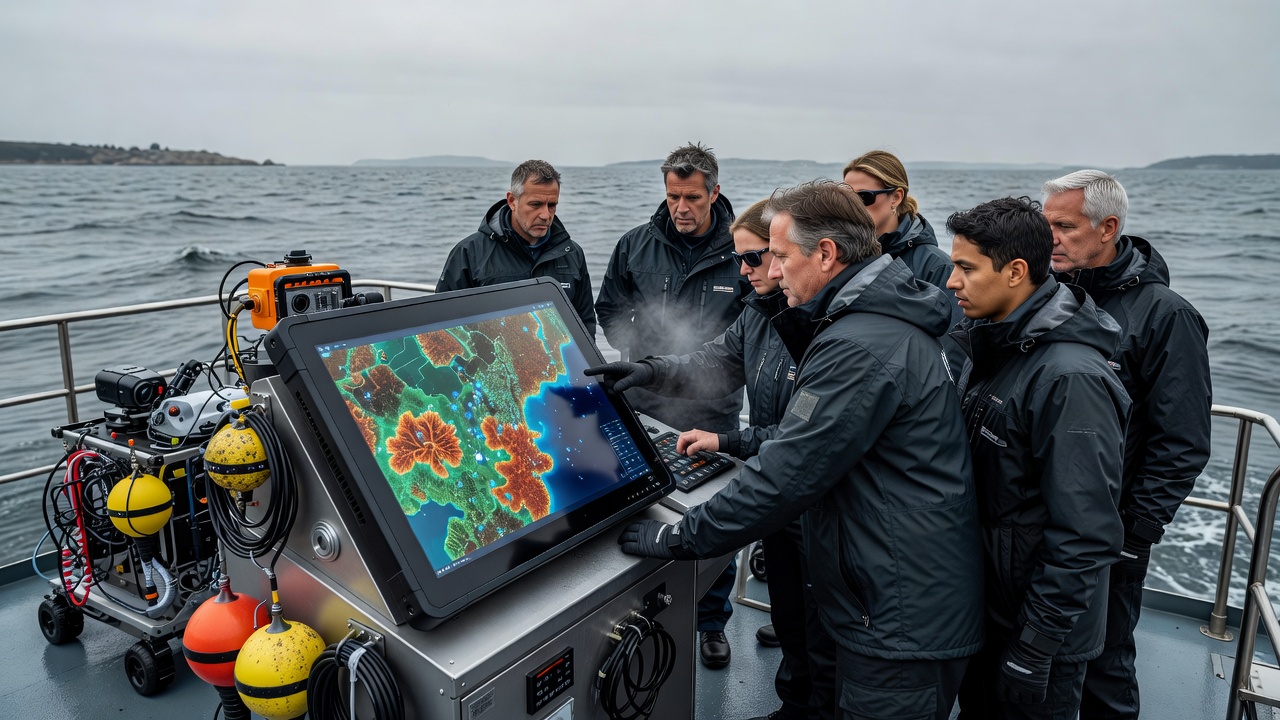
Initial phases involve mapping existing reef structures using sonar technology. Subsequent stages will include seasonal sampling to assess coral health indicators such as growth rates and species diversity. Training sessions for local volunteers are scheduled to begin next month. The laboratory's previous work has already documented significant changes in reef composition over the past decade. This new funding builds upon those foundations to create a more robust monitoring framework.
Broader Impacts on Baltic Marine Policy
Reefs in the Baltic Sea are vital habitats for numerous fish species and contribute to overall biodiversity. Effective monitoring can provide early warnings of degradation, allowing for timely interventions. The project aligns with EU directives on marine strategy and habitat protection.
Findings from this research are expected to influence national conservation plans. By establishing baseline data, the laboratory aims to facilitate comparative studies across the region. Public reports will be published annually to ensure transparency and stakeholder involvement. Collaboration with policymakers will ensure that scientific findings translate into actionable measures. Educational outreach will target schools and coastal communities to foster a sense of stewardship. Additional resources will enable the purchase of new equipment for real-time environmental tracking including buoys equipped with sensors for temperature, salinity, and nutrient levels. The comprehensive approach promises to yield valuable insights into reef resilience.