Riley Walter · 2 September 2026
The Coral Research Laboratory has secured fresh funding to expand monitoring of reef systems in the Baltic Sea. The award supports sustained data collection on reef structure, associated species, and environmental stressors across multiple sites.
Project Scope and Methods
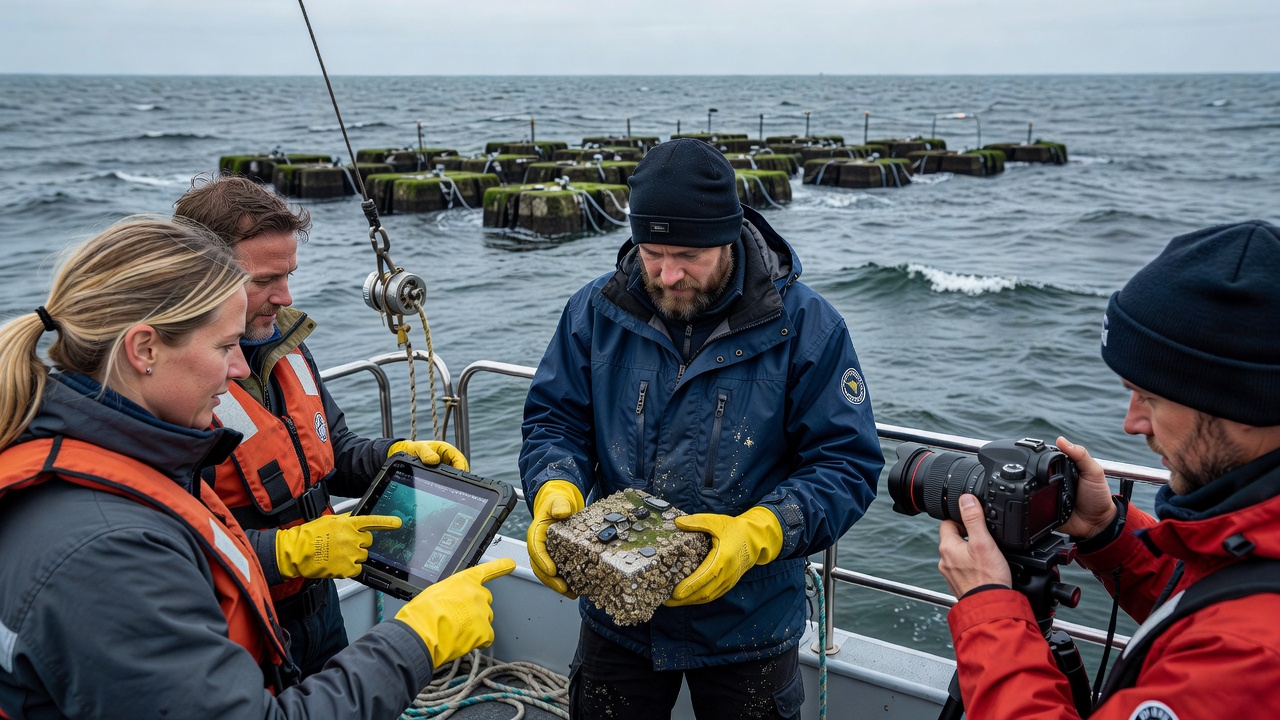
The three-year program deploys acoustic sensors, underwater cameras, and water-quality probes at twelve established stations. Teams will conduct quarterly transects to record changes in hard-bottom communities and sediment cover. Data streams feed into a shared repository accessible to partner institutions in Poland, Sweden, and Germany. Annual workshops will standardize protocols for image analysis and species identification.
Baseline surveys completed in 2023 documented 28 reef patches with varying degrees of algal overgrowth and physical damage. The new resources allow increased sampling frequency and the addition of eDNA sampling to detect cryptic organisms. Equipment upgrades include autonomous vehicles capable of operating at depths up to 45 meters.
Expected Outcomes and Regional Relevance
Project leads anticipate refined maps of reef extent and condition that can inform spatial planning by maritime authorities. Early indicators suggest localized declines linked to bottom-trawling pressure and nutrient inputs. Long-term records will help separate natural variability from anthropogenic trends.
Findings will contribute to Baltic-wide assessments required under the Marine Strategy Framework Directive. Training components will prepare early-career researchers in remote-sensing techniques and statistical modeling of time-series data. Public summaries of key results will be released each autumn through institutional channels.
Coordination with fisheries organizations aims to identify voluntary avoidance zones around sensitive patches. The laboratory will also test low-cost monitoring buoys that could be replicated by smaller coastal municipalities. All raw datasets will remain openly licensed after a six-month embargo period.