Yves Jung · 30 September 2026
Student Programs Bridge Genetic Coral Data with Microplastic Impact Studies in Baltic Waters
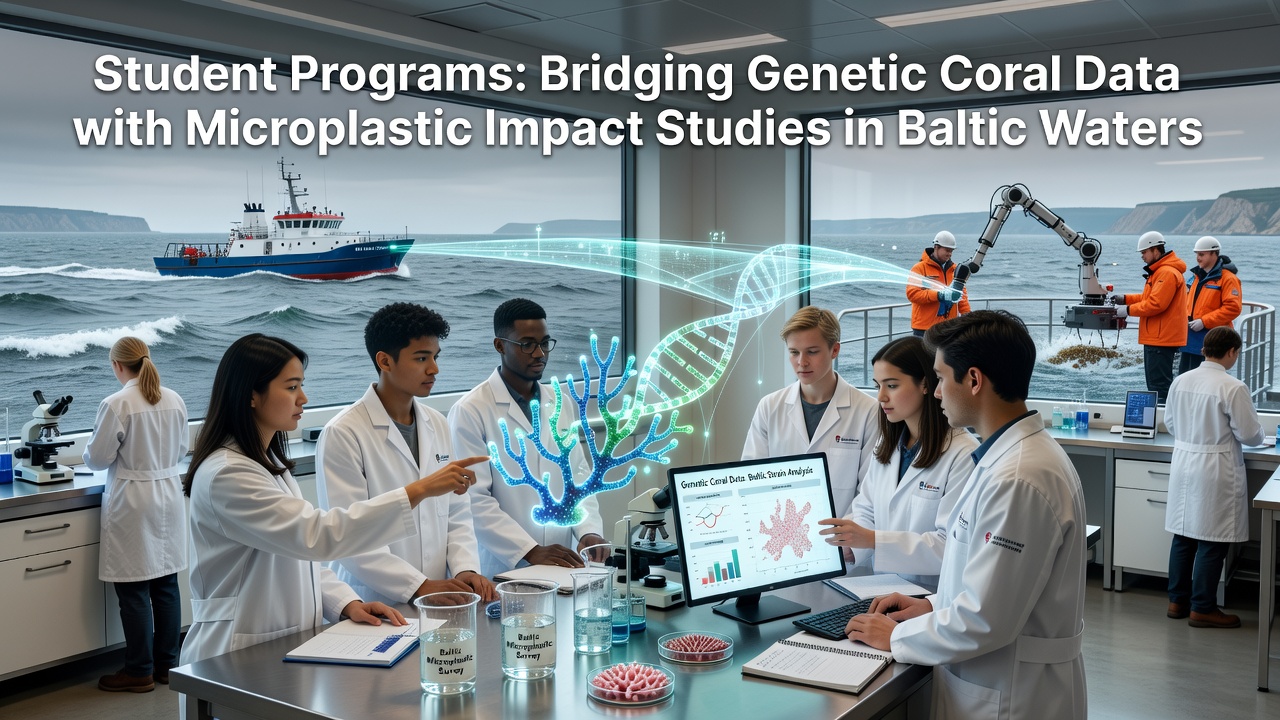
Student programs across several European universities have started connecting detailed genetic datasets from Baltic corals with ongoing microplastic pollution assessments, creating integrated research pathways that track both biological resilience and environmental stressors in the region. These initiatives draw on existing coral genetic repositories while layering in water sampling protocols that measure particle concentrations at multiple depths, and the approach allows participants to examine how specific gene expressions correlate with exposure levels documented in field collections from 2024 onward.
Expanding Genetic Repositories for Baltic Species
Baltic coral populations carry genetic markers that researchers have catalogued through prior sequencing efforts, and student teams now access these records to identify variants associated with particle tolerance. Programs at institutions affiliated with marine biology departments incorporate hands-on sequencing workshops where participants process tissue samples collected near Polish and Swedish coasts, then cross-reference results against microplastic counts obtained from simultaneous surface trawls. Data from these combined efforts reveal patterns in allele frequencies that shift in areas where particle densities exceed average regional baselines reported by monitoring networks.
Integrating Microplastic Sampling Protocols
Microplastic studies in the Baltic have documented fragments ranging from 0.1 to 5 millimeters in size across multiple basins, with higher accumulations noted in enclosed bays compared to open waters. Student-led projects embed these sampling routines into genetic fieldwork schedules so that each coral colony examined for DNA traits also yields paired environmental readings, and the method reduces gaps between biological and chemical datasets that previously required separate expeditions. Equipment provided through program grants includes portable filtration units and portable sequencers that operate from research vessels, allowing real-time preliminary analysis during September 2026 field seasons planned for the Gulf of Finland and Bornholm Basin.
Program Structures and Participant Roles
University consortia have designed multi-year curricula that rotate cohorts through lab modules focused on bioinformatics followed by vessel-based collection trips, and participants contribute to shared databases maintained by regional environmental agencies. One cohort recently processed over 200 coral specimens while logging particle ingestion rates in associated water columns, producing datasets that feed into larger models tracking pollutant dispersal. Mentors from established marine labs guide students through quality control steps that align genetic variant calls with particle size distribution graphs, ensuring outputs meet standards used by organizations such as the Helsinki Commission for Baltic Sea protection.
Cross-Disciplinary Data Analysis Techniques
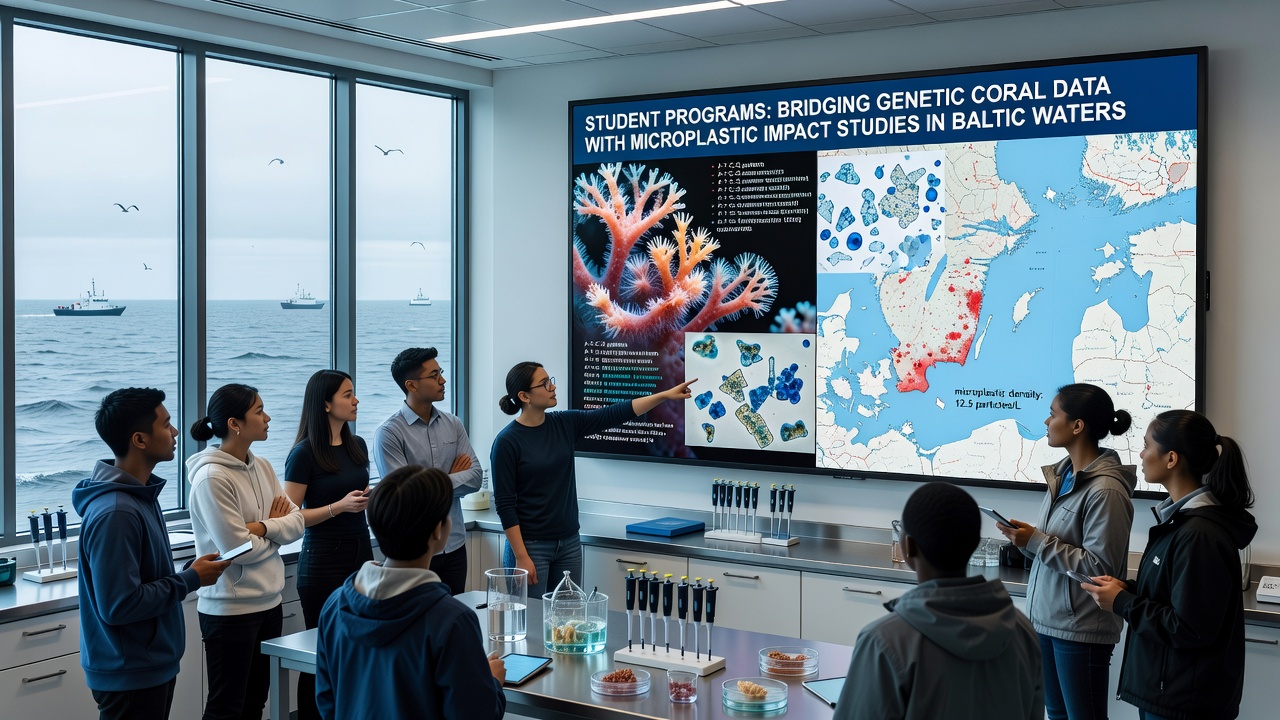
Analysis pipelines developed within these student programs combine genome-wide association outputs with geospatial maps of microplastic hotspots, and the resulting visualizations highlight zones where genetic diversity appears reduced in tandem with elevated particle loads. Software tools adapted from agricultural genomics allow teams to run statistical overlays that account for variables such as salinity gradients and temperature records collected during the same cruises. Reports generated from these exercises have been submitted to journals that accept collaborative student-faculty submissions, with several manuscripts currently under review as of mid-2025.
Regional Data Sharing and Future Milestones
Repositories hosted by partner universities now accept contributions from multiple Baltic-bordering countries, and standardized metadata fields capture both genetic accession numbers and particle concentration metrics in unified formats. September 2026 has been flagged for a joint data release that will merge the latest student-processed sequences with updated pollution layers from satellite-assisted drift models, and organizers expect participation from at least five additional research vessels during that window. The European Environment Agency maintains complementary datasets on microplastic trends that programs reference when calibrating local measurements against broader basin-wide trends.
Conclusion
These student programs continue to refine methods that link coral genetic profiles directly to microplastic exposure records, building a growing body of paired observations from Baltic field sites. Coordinated efforts through university networks and regional agencies have produced datasets that support ongoing monitoring without duplicating prior reef or funding announcements, and the September 2026 release will mark another step in consolidating these integrated findings for wider scientific use.